Uniwersytet Warszawski | CWID Uniwersytet Warszawski | CWID
  • Dezinformacja
  • Tydzień Noblowski UW
  • Serwis Naukowy UW
  • Kino i nauka
  • TEDx
  • Konferencje
  • Akademia Przedsiębiorczości
  • Mentoring UW
  • Makerspace@UW
  • Biznes i nauka
  • Koła Naukowe
  • Programy grantowe
  • Warsztaty
  • Podcasty
  • Aktualności
Centrum Współpracy i Dialogu UWCentrum Współpracy i Dialogu UW
  • Dezinformacja
  • Tydzień Noblowski UW
  • Serwis Naukowy UW
  • Kino i nauka
  • TEDx
  • Akademia Przedsiębiorczości
  • Mentoring UW
  • Makerspace@UW
  • Biznes i nauka
  • Koła Naukowe
  • Programy grantowe
  • Warsztaty
  • Podcasty
Szukaj
  • Dezinformacja
  • Tydzień Noblowski UW
  • Serwis Naukowy UW
  • Kino i nauka
  • TEDx
  • Akademia Przedsiębiorczości
  • Mentoring UW
  • Makerspace@UW
  • Biznes i nauka
  • Koła Naukowe
  • Programy grantowe
  • Warsztaty
  • Podcasty
Śledź nas

Strona główna » Natural heritage » How do wars affect climate change?

How do wars affect climate change?

2023/08/09
Udostępnij
3 min czytania

On how wars are affecting climate conditions around the world, we asked Dr. Kamil Leziak of the UW’s Department of Geography and Regional Studies.

How does the world’s warfare affect climate change?

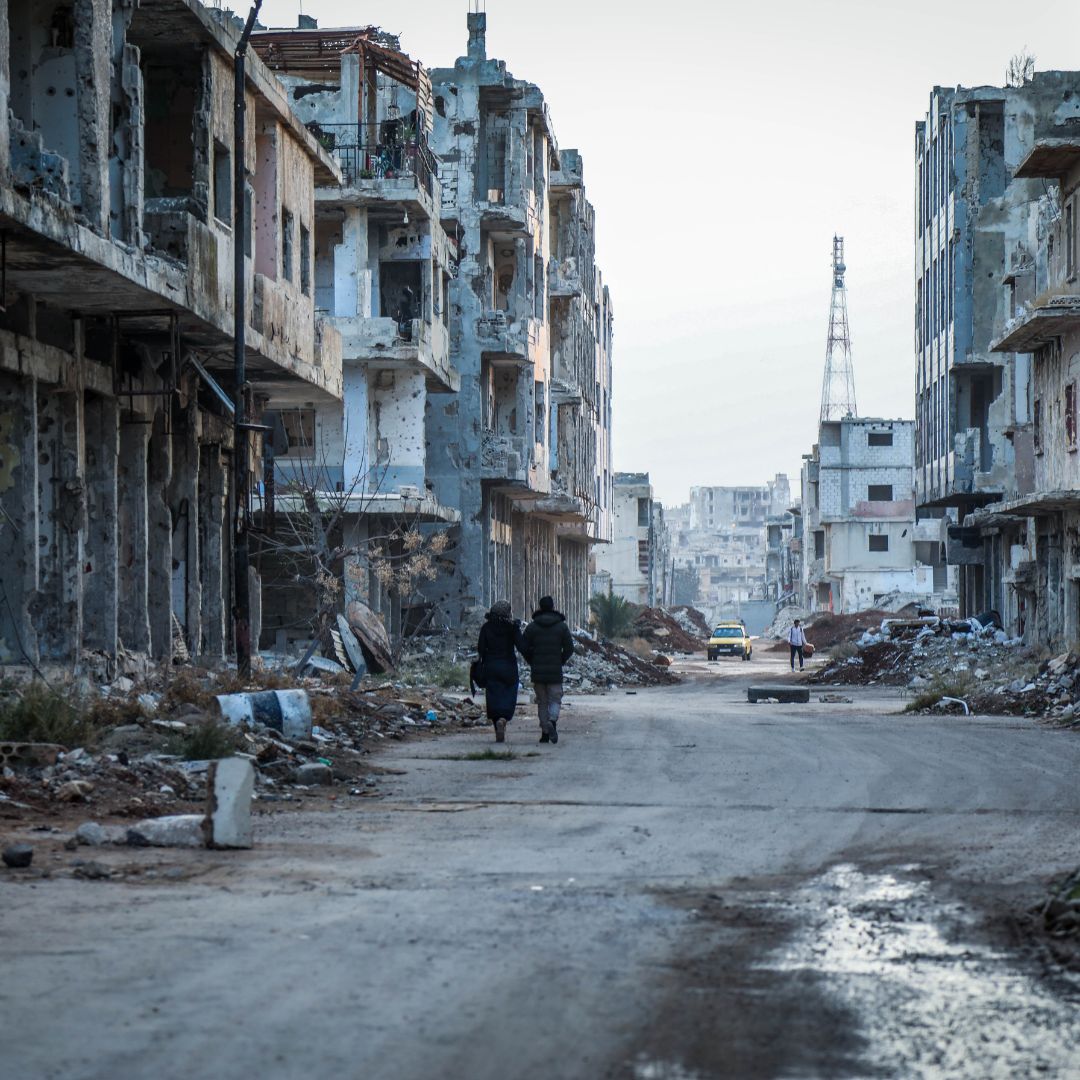
Armed conflicts not only have serious consequences for civilians, but also cause far-reaching changes in climatic conditions in the area of hostilities and, in extreme cases, the entire Earth. One of the first effects of wars is the destruction of various forms of land cover (e.g., forest fires, agricultural fields, the tearing up of grasslands by heavy equipment), contributing to the exacerbation of climatic contrasts, as well as changes in thermal conditions (e.g., faster heating of the ground and reaching higher temperature values on sunny days). It is the natural surfaces covered with vegetation that provide optimal climatic conditions.

In the case of prolonged warfare, natural surfaces are further modified and replaced by artificial engineering facilities, such as trenches, barricades, anti-tank barrages, minefields, fortified bases and camps, etc. Man-made facilities introduce an additional anthropogenic factor into the heat and radiation balance, causing changes in the local climate and microclimate. We can compare it to the situation when a highway or a settlement is built in a natural area – the elements of weather and climate (e.g., air temperature, relative humidity) at that location will change markedly.

It is also worth noting the effects of explosive weapons of various types. Artillery and rocket shell explosions and the resulting fires can emit large amounts of pollutants such as dust, soil, concrete particles, soot, smoke, etc. into the atmosphere. They contribute to a decrease in atmospheric transparency and, consequently, to a decrease in the amount of solar radiation reaching the Earth’s surface, resulting in a local decrease in air temperature. At the same time, pollutants present in the atmosphere can cause a temporary increase in precipitation. The most dangerous, however, are atomic bomb blasts. When this type of weapon is used, a huge cloud (known as an atomic mushroom) is formed, spewing huge amounts of dust into the atmosphere, much larger than conventional weapons. If multiple atomic bombs exploded in quick succession, the Earth could be threatened with a nuclear winter that would change the face of our planet forever. However, the use of nuclear weapons in current global warfare is unlikely.
dr-kamil-leziak

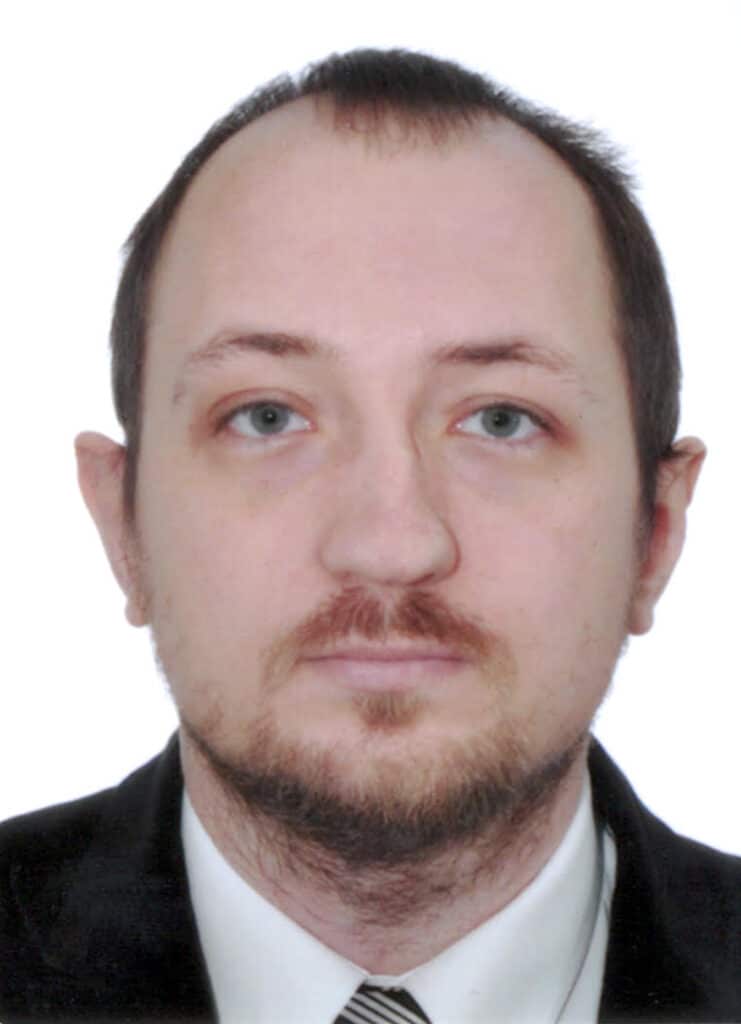
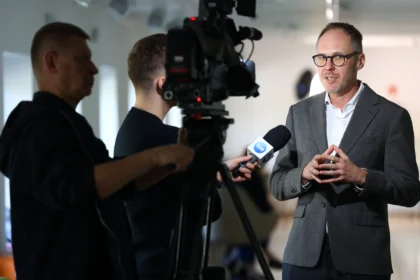
Dr. Kamil Leziak, Faculty of Geography and Regional Studies, UW

#naturalheritage #worldheritage #ExpertsUW #unesco #natural
Tagi:expertsUWheritagelearninglifewater

Aktualności

Podsumowanie I Ogólnopolskiej Konferencji Sieciującej Akademickie Inkubatory Przedsiębiorczości

Blisko 70 uczestników reprezentujących ponad 50 ośrodków akademickich z całego kraju. Dwa dni rozmów o rozwoju, inspirujących dyskusji i wymiany…

#UWagaNauka – 19 maja 2026

Okrągła, piąta edycja będzie przestrzenią wymiany doświadczeń i prezentacji praktyk, które wspierają rzetelną i atrakcyjną…

IV Targi Kół Naukowych UW za nami!

Po raz kolejny wraz z Samorządem Studentów Uniwersytetu Warszawskiego oraz Radą Organizacji Naukowych, Społecznych i…

Inauguracja 6. edycji programu Mentoring UW za nami!

Wczoraj w Muzeum Uniwersytetu Warszawskiego odbyła się uroczysta inauguracja 6. edycji programu Mentoring UW, realizowanego…

Zobacz również

Podsumowanie I Ogólnopolskiej Konferencji Sieciującej Akademickie Inkubatory Przedsiębiorczości

Nabór na granty „Nauka Sprawdza” – zdobądź 20 tysięcy!

#UWagaNauka – 19 maja 2026

IV Targi Kół Naukowych UW

IV Targi Kół Naukowych UW za nami!

Facebook Youtube Instagram Linkedin

Powiązane strony

  • Uniwersytet Warszawski
  • Serwis Naukowy UW
  • Nauka Sprawdza
  • TEDx University of Warsaw
  • Inicjatywa Akademicka Warszawa

Nasze projekty

  • Tydzień Noblowski UW
  • Nauka Sprawdza
  • #UWagaNauka
  • KOKON UW
  • TEDx UW
  • BraveCamp
  • Mentoring UW

CWiD

  • O nas
  • Kontakt
  • Nasi partnerzy
  • Zamówienia publiczne
  • Praca
  • Deklaracja dostępności
  • Mapa strony
Welcome Back!

Sign in to your account

Nazwa użytkownika lub adres e-mail
Hasło

Nie pamiętasz hasła?

Centrum Współpracy i Dialogu UW

Zarządzaj zgodą

Aby zapewnić jak najlepsze wrażenia, korzystamy z technologii, takich jak pliki cookie, do przechowywania i/lub uzyskiwania dostępu do informacji o urządzeniu. Zgoda na te technologie pozwoli nam przetwarzać dane, takie jak zachowanie podczas przeglądania lub unikalne identyfikatory na tej stronie. Brak wyrażenia zgody lub wycofanie zgody może niekorzystnie wpłynąć na niektóre cechy i funkcje.

Funkcjonalne Zawsze aktywne

Wymagane do prawidłowego działania strony, bezpieczeństwa oraz zapamiętania Twojej decyzji.

Statystyka

Pomagają mierzyć oglądalność i jakość strony.

Marketing

Pozwalają mierzyć kampanie i personalizować reklamy.