Uniwersytet Warszawski | CWID Uniwersytet Warszawski | CWID
  • Dezinformacja
  • Tydzień Noblowski UW
  • Serwis Naukowy UW
  • Kino i nauka
  • TEDx
  • Konferencje
  • Akademia Przedsiębiorczości
  • Mentoring UW
  • Makerspace@UW
  • Biznes i nauka
  • Koła Naukowe
  • Programy grantowe
  • Warsztaty
  • Podcasty
  • Aktualności
Centrum Współpracy i Dialogu UWCentrum Współpracy i Dialogu UW
Szukaj
  • Dezinformacja
  • Tydzień Noblowski UW
  • Serwis Naukowy UW
  • Kino i nauka
  • TEDx
  • Akademia Przedsiębiorczości
  • Mentoring UW
  • Makerspace@UW
  • Biznes i nauka
  • Koła Naukowe
  • Programy grantowe
  • Warsztaty
  • Podcasty
Śledź nas

Strona główna » Anxieties » Climate anxiety

Climate anxiety

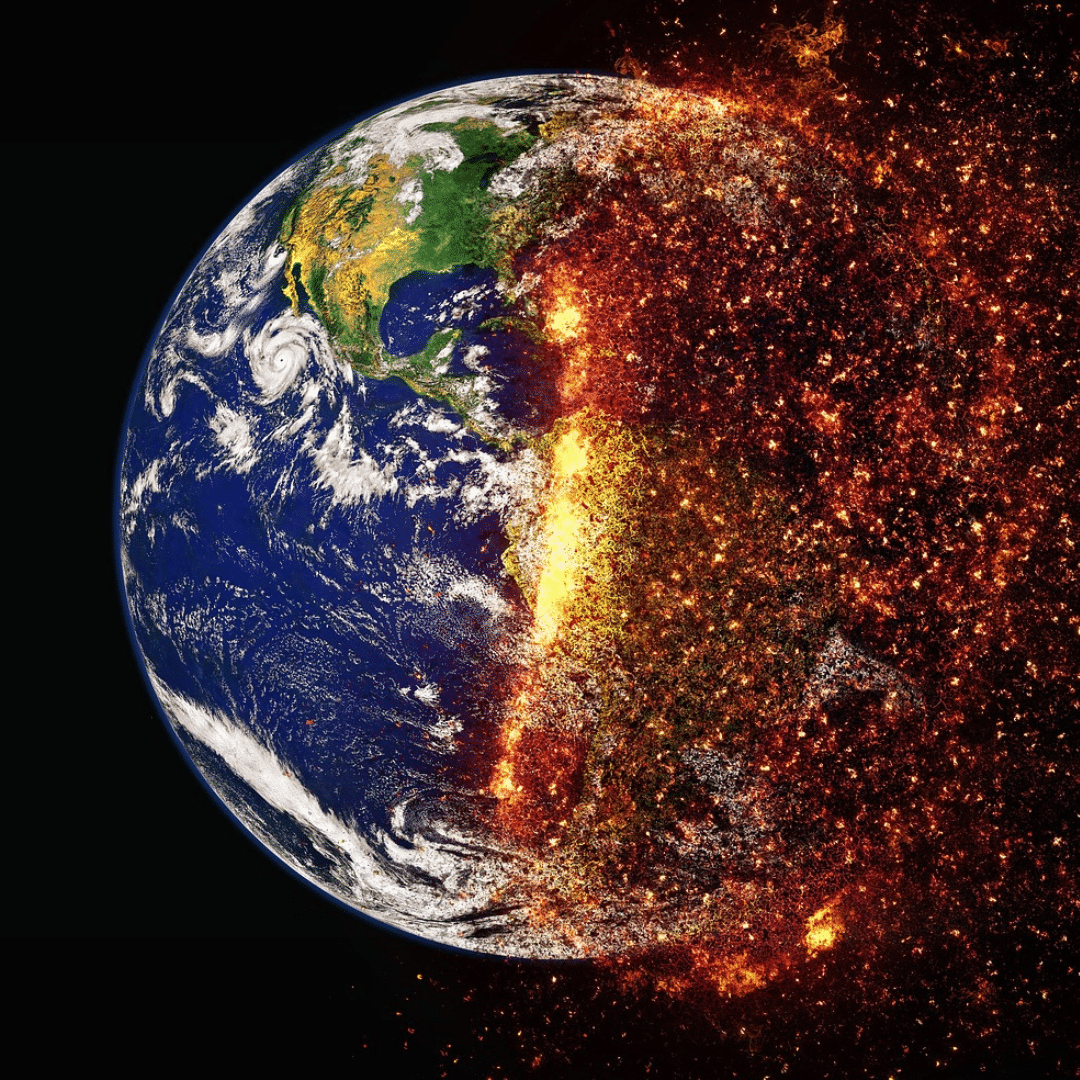
According to the World Health Organization, the greatest civilization challenge of the 21st century is climate change for humanity. Its effects - already well visible around the world - include not only phenomena such as melting glaciers, rising sea and ocean levels and shifting climate zones, but also have a psychological dimension. In today's post, we would like to talk briefly about what climate anxiety is.

2023/08/09
Udostępnij
3 min czytania
Figurka Lego na tle rozmytych klocków

According to the definition proposed by the UW Language Observatory, climate anxiety is „the chronic fear of climate catastrophe.” Climate anxiety is primarily anticipatory – it is concerned with what might happen in the future. It can be counted among the gradual psychological consequences that climate change produces.

As Dr. Magdalena Budziszewska of the UW Department of Psychology writes, citing 2014 and 2017 reports by the American Psychological Association, these gradual effects are „the consequences of the gradual deterioration of living conditions, but also of its anticipation and awareness of the risk of exceeding tipping points in the planet’s climate system.” Changes of this kind are deep and chronic. In addition to anxiety, this group also includes: depression, addictions or feelings of helplessness.

Climate anxiety

Climate anxiety, as one of the strong emotions felt in the face of the threat of a climate catastrophe, affects most often: professionals dealing with the issue, well-informed people (such as journalists), as well as young people and children. For the latter group in particular, the psychological consequences of climate change are clearly visible. 60% of respondents to a University of Bath survey of people between the ages of 16 and 24 say they have high or extreme anxiety about climate change.

However, it should be noted that climate anxiety is an adequate and natural emotion that arises in the face of a universal threat, which is the vision of climate catastrophe. In the words of Dr. Budziszewska, „because of the threatening nature of climate change, while at the same time very complex and huge, it is easy to have apathy and paralysis accompanying anxiety.” So while this is a natural reaction of our body to the challenges we face, it should ultimately lead to constructive and thoughtful action on a macro level, based on the principles of cooperation and social trust.

Finally, we encourage you to read the publication „Climate ABC. Interdisciplinary Foundations of Contemporary Climate Change Knowledge,” which includes a chapter on the psychological effects of climate change by Dr. Magdalena Budziszewska. We have also written about the phenomenon of climate depression as part of the #UWeigh on Drought campaign (#EkoMowa series). Links to both texts can be found below.

Bibliography:

https://wuw.pl/data/include/cms//Klimatyczne_ABC_Budziszewska_M_Kardas_A_Bohdanowicz_Z_red_2021.pdf?v=1625481918966https://pl.boell.org/pl/2019/10/11/bedzie-koniec-cywilizacji-jaka-znamy-depresja-klimatyczna-w-polsce

https://researchportal.bath.ac.uk/en/publications/climate-anxiety-in-children-and-young-people-and-their-beliefs-ab

https://cwid.uw.edu.pl/depresja-klimatyczna/

#cwiduw #world ofchange #drugs #uw #science
Tagi:drugsexpertsUWpandemic

Aktualności

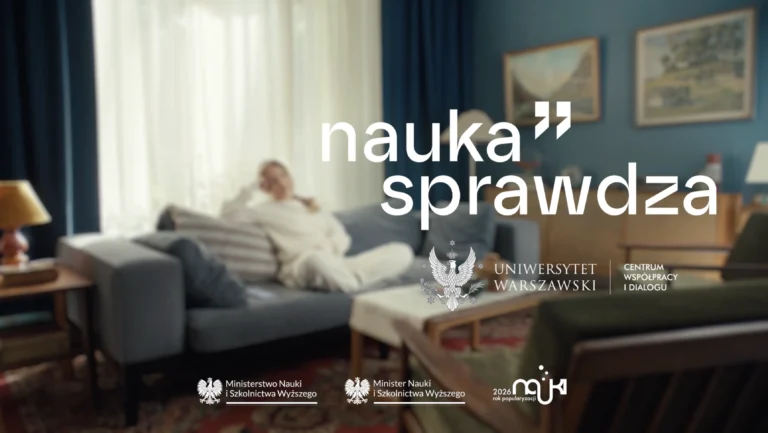
Kadr z filmu „Nauka sprawdza”: wnętrze salonu z osobą siedzącą na kanapie i logo cyklu

Tydzień Walki z Dezinformacją Naukową na Uniwersytecie Warszawskim

Jak weryfikować  treści i demaskować fałszywe informacje powielane w przestrzeni publicznej? Po czym poznać, że news  jest manipulacją i jak…

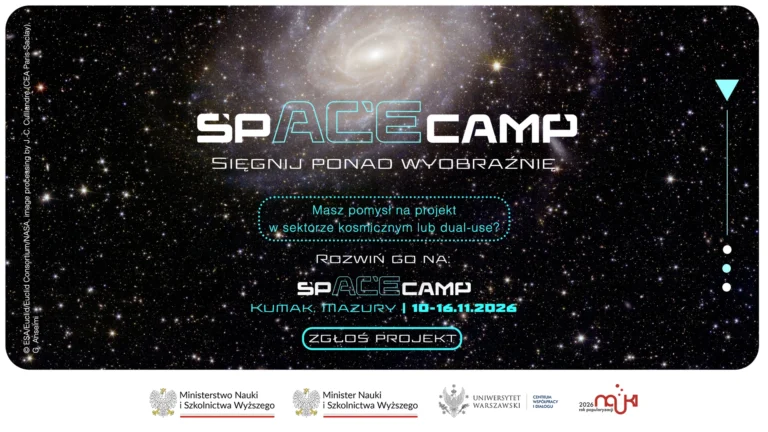
Startuje rekrutacja na spACE camp dla studentów i doktorantów polskich uczelni

Ruszyła rekrutacja na spACE camp! Zapraszamy wszystkich studentów i doktorantów, chcących rozwijać innowacyjne pomysły, które…

Tydzień Noblowski UW 2026: dzień 6

Ostatnia z Nagród Nobla przyznana!

Tydzień Noblowski UW 2026: dzień 5

Norweski Komitet Noblowski ogłosił laureatkę Pokojowej Nagrody Nobla.

Zobacz również

Kadr z filmu „Nauka sprawdza”: wnętrze salonu z osobą siedzącą na kanapie i logo cyklu

Tydzień Walki z Dezinformacją Naukową na Uniwersytecie Warszawskim

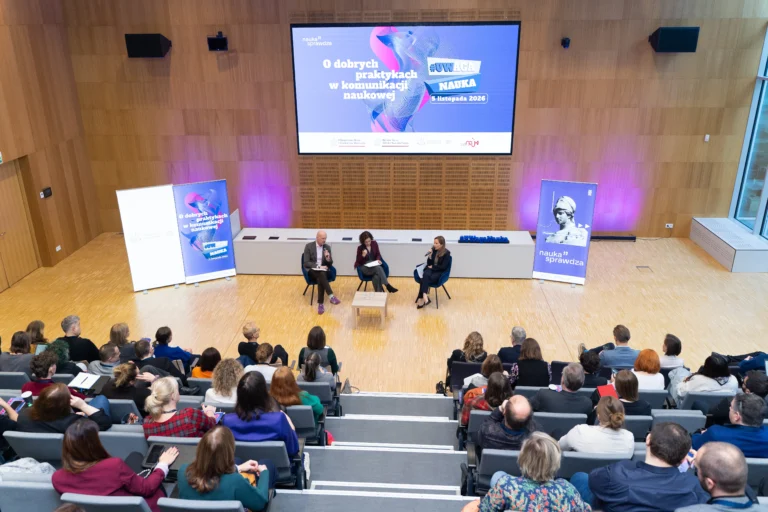
Widok na salę z prelegentami na scenie i pełną widownią

VI edycja konferencji #UWagaNauka za nami

Plakat Space Camp z gwiazdami i informacjami o wydarzeniu

Startuje rekrutacja na spACE camp dla studentów i doktorantów polskich uczelni

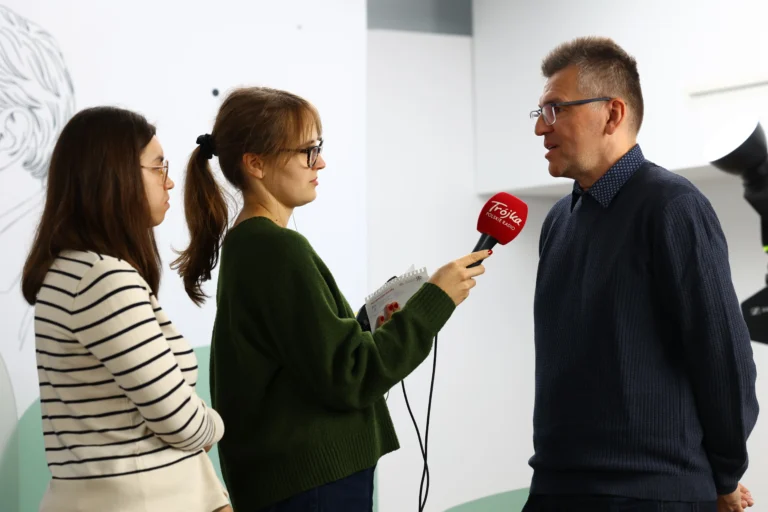
Dziennikarka z czerwonym mikrofonem przeprowadza wywiad z mężczyzną w okularach

Tydzień Noblowski UW 2026: dzień 6

Logo Uniwersytetu Warszawskiego
Facebook Youtube Instagram Linkedin

Powiązane strony

  • Uniwersytet Warszawski
  • Serwis Naukowy UW
  • Nauka Sprawdza
  • TEDx University of Warsaw
  • Inicjatywa Akademicka Warszawa

Nasze projekty

  • Tydzień Noblowski UW
  • Nauka Sprawdza
  • #UWagaNauka
  • KOKON UW
  • TEDx UW
  • BraveCamp
  • Mentoring UW

CWiD

  • O nas
  • Kontakt
  • Nasi partnerzy
  • Zamówienia publiczne
  • Praca
  • Deklaracja dostępności
  • Mapa strony
  • Pliki „cookies”
Logo Uniwersytetu Warszawskiego Centrum Współpracy i Dialogu
  • Uniwersytet Warszawski
  • Serwis Naukowy UW
  • Nauka Sprawdza
  • TEDx University of Warsaw
  • Inicjatywa Akademicka Warszawa
  • Uniwersytet Warszawski
  • Serwis Naukowy UW
  • Nauka Sprawdza
  • TEDx University of Warsaw
  • Inicjatywa Akademicka Warszawa
Facebook-f Youtube Twitter Linkedin-in Instagram
Welcome Back!

Sign in to your account

Nazwa użytkownika lub adres e-mail
Hasło

Nie pamiętasz hasła?

Centrum Współpracy i Dialogu UW

Zarządzaj zgodą

Aby zapewnić jak najlepsze wrażenia, korzystamy z technologii, takich jak pliki cookie, do przechowywania i/lub uzyskiwania dostępu do informacji o urządzeniu. Zgoda na te technologie pozwoli nam przetwarzać dane, takie jak zachowanie podczas przeglądania lub unikalne identyfikatory na tej stronie. Brak wyrażenia zgody lub wycofanie zgody może niekorzystnie wpłynąć na niektóre cechy i funkcje.

Funkcjonalne Zawsze aktywne

Wymagane do prawidłowego działania strony, bezpieczeństwa oraz zapamiętania Twojej decyzji.

Statystyka

Pomagają mierzyć oglądalność i jakość strony.

Marketing

Pozwalają mierzyć kampanie i personalizować reklamy.

Oświadczenie o prywatności