Uniwersytet Warszawski | CWID Uniwersytet Warszawski | CWID
  • Dezinformacja
  • Tydzień Noblowski UW
  • Serwis Naukowy UW
  • Kino i nauka
  • TEDx
  • Konferencje
  • Akademia Przedsiębiorczości
  • Mentoring UW
  • Makerspace@UW
  • Biznes i nauka
  • Koła Naukowe
  • Programy grantowe
  • Warsztaty
  • Podcasty
  • Aktualności
Centrum Współpracy i Dialogu UWCentrum Współpracy i Dialogu UW
Szukaj
  • Dezinformacja
  • Tydzień Noblowski UW
  • Serwis Naukowy UW
  • Kino i nauka
  • TEDx
  • Akademia Przedsiębiorczości
  • Mentoring UW
  • Makerspace@UW
  • Biznes i nauka
  • Koła Naukowe
  • Programy grantowe
  • Warsztaty
  • Podcasty
Śledź nas

Strona główna » Natural heritage » UNESCO WORLD HERITAGE LIST

UNESCO WORLD HERITAGE LIST

2023/08/09
Udostępnij
3 min czytania

Thus, the list included:

  1. Old Town in Krakow, where we can admire the largest market square in Europe;
  2. Royal Salt Mines in Wieliczka and Bochnia;
  3. Auschwitz-Birkenau – German Nazi concentration and extermination camp;
  4. Bialowieza Forest (a Polish-Belarusian transboundary site) with the world’s most numerous population of European bison;
  5. Warsaw’s Old Town for its unique example of almost complete restoration of monuments dating back to an unbroken historical sequence (from the 13th to the 20th centuries) after the destruction caused by World War II;
  6. The Old Town of Zamosc as an excellent example of a Renaissance city from the late 16th century, which has preserved its original plan, fortifications and numerous buildings;
  7. Torun’s medieval urban complex;
  8. The 13th-century Teutonic Castle in Malbork, restored at the turn of the 20th century, exemplifying the conservation techniques in force today;
  9. Kalwaria Zebrzydowska – Mannerist architectural and landscape complex and pilgrimage park;
  10. Churches of Peace in Jawor and Swidnica – the largest timber-framed religious buildings in Europe;
  11. Wooden churches of southern Małopolska – Binarowa, Blizne, Dębno, Haczów, Lipnica Murowana, Sękowa – an example of various aspects of medieval church building traditions in Roman Catholic culture;
  12. Muskauer Park / Muskauer Park (Polish-German cross-border facility) – a landscape park with an area of 559.90 hectares, stretching on both sides of the Lusatian Neisse River, along which the Polish-German border runs;
  13. The Centennial Hall in Wroclaw – a landmark building in the history of architecture using ferro-concrete;
  14. Wooden Orthodox churches in the Polish and Ukrainian Carpathian region (Polish-Ukrainian cross-border entry) – 16 selected churches, eight of which are located on Polish territory and eight in Ukraine;
  15. Lead, silver and zinc ore mine in Tarnowskie Góry and groundwater management system (Upper Silesia);
  16. Siliceous region of prehistoric striped flint mining (Holy Cross Mountains region);
  17. ancient and primary beech forests in the Carpathians and other regions of Europe.

BUT, as you can see – not all the highlighted „wonders of Poland” were created by human activity. We are extremely pleased that the uniqueness of Polish nature is noticed and appreciated in a global perspective.

In the next post, we will tell you about the Polish Biosphere Reserves that have been given special protection by UNESCO. We encourage you to follow our publications 🔍

Photo. Malbork Castle Museum @malborkcastlemuseum

#naturalheritage #worldheritage #ExpertsUW #unesco #natural
Tagi:expertsUWheritagelearningnature

Aktualności

Rusza rejestracja na szóstą edycję konferencji #UWagaNauka – o dobrych praktykach w komunikacji naukowej

Listopadowa odsłona wydarzenia stanie się okazją do dzielenia się wiedzą, doświadczeniami i sprawdzonymi sposobami na skuteczne popularyzowanie nauki.

Tydzień Noblowski UW 2026: dzień 6

Ostatnia z Nagród Nobla przyznana!

Tydzień Noblowski UW 2026: dzień 5

Norweski Komitet Noblowski ogłosił laureatkę Pokojowej Nagrody Nobla.

Tydzień Noblowski UW 2026: dzień 4

Nagroda Nobla w dziedzinie literatury niezmiennie należy do najbardziej wyczekiwanych i dyskutowanych wyróżnień na świecie.

Zobacz również

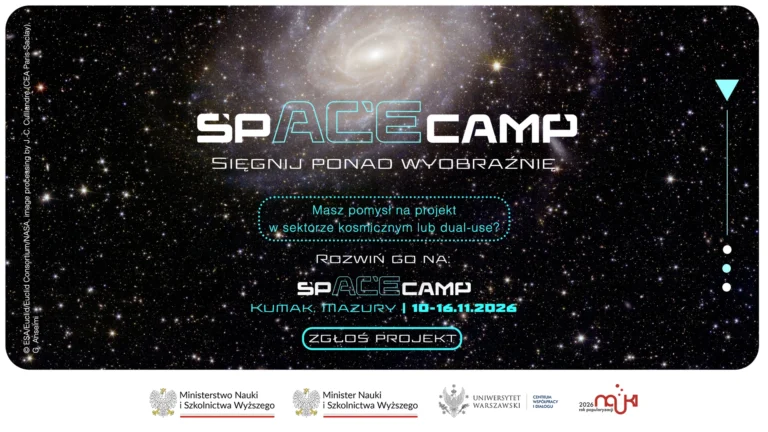
Startuje rekrutacja na spACE camp dla studentów i doktorantów polskich uczelni

Tydzień Noblowski UW 2026: dzień 6

Tydzień Noblowski UW 2026: dzień 5

Tydzień Noblowski UW 2026: dzień 4

Facebook Youtube Instagram Linkedin

Powiązane strony

  • Uniwersytet Warszawski
  • Serwis Naukowy UW
  • Nauka Sprawdza
  • TEDx University of Warsaw
  • Inicjatywa Akademicka Warszawa

Nasze projekty

  • Tydzień Noblowski UW
  • Nauka Sprawdza
  • #UWagaNauka
  • KOKON UW
  • TEDx UW
  • BraveCamp
  • Mentoring UW

CWiD

  • O nas
  • Kontakt
  • Nasi partnerzy
  • Zamówienia publiczne
  • Praca
  • Deklaracja dostępności
  • Mapa strony
  • Pliki „cookies”
  • Uniwersytet Warszawski
  • Serwis Naukowy UW
  • Nauka Sprawdza
  • TEDx University of Warsaw
  • Inicjatywa Akademicka Warszawa
  • Uniwersytet Warszawski
  • Serwis Naukowy UW
  • Nauka Sprawdza
  • TEDx University of Warsaw
  • Inicjatywa Akademicka Warszawa
Facebook-f Youtube Twitter Linkedin-in Instagram
Welcome Back!

Sign in to your account

Nazwa użytkownika lub adres e-mail
Hasło

Nie pamiętasz hasła?

Centrum Współpracy i Dialogu UW

Zarządzaj zgodą

Aby zapewnić jak najlepsze wrażenia, korzystamy z technologii, takich jak pliki cookie, do przechowywania i/lub uzyskiwania dostępu do informacji o urządzeniu. Zgoda na te technologie pozwoli nam przetwarzać dane, takie jak zachowanie podczas przeglądania lub unikalne identyfikatory na tej stronie. Brak wyrażenia zgody lub wycofanie zgody może niekorzystnie wpłynąć na niektóre cechy i funkcje.

Funkcjonalne Zawsze aktywne

Wymagane do prawidłowego działania strony, bezpieczeństwa oraz zapamiętania Twojej decyzji.

Statystyka

Pomagają mierzyć oglądalność i jakość strony.

Marketing

Pozwalają mierzyć kampanie i personalizować reklamy.

Oświadczenie o prywatności