Uniwersytet Warszawski | CWID Uniwersytet Warszawski | CWID
  • Dezinformacja
  • Tydzień Noblowski UW
  • Serwis Naukowy UW
  • Kino i nauka
  • TEDx
  • Konferencje
  • Akademia Przedsiębiorczości
  • Mentoring UW
  • Makerspace@UW
  • Biznes i nauka
  • Koła Naukowe
  • Programy grantowe
  • Warsztaty
  • Podcasty
  • Aktualności
Centrum Współpracy i Dialogu UWCentrum Współpracy i Dialogu UW
  • Dezinformacja
  • Tydzień Noblowski UW
  • Serwis Naukowy UW
  • Kino i nauka
  • TEDx
  • Akademia Przedsiębiorczości
  • Mentoring UW
  • Makerspace@UW
  • Biznes i nauka
  • Koła Naukowe
  • Programy grantowe
  • Warsztaty
  • Podcasty
Szukaj
  • Dezinformacja
  • Tydzień Noblowski UW
  • Serwis Naukowy UW
  • Kino i nauka
  • TEDx
  • Akademia Przedsiębiorczości
  • Mentoring UW
  • Makerspace@UW
  • Biznes i nauka
  • Koła Naukowe
  • Programy grantowe
  • Warsztaty
  • Podcasty
Śledź nas

Strona główna » Natural heritage » POLISH BIOSPHERE RESERVES

POLISH BIOSPHERE RESERVES

2023/08/09
Udostępnij
3 min czytania

Biosphere Reserves are designed to protect biodiversity and enable better observation of ecological changes at the scale of the planet. In doing so, they perform three essential functions:

– protective – they contribute to the protection of landscapes, ecosystems, species and genetic diversity;

– development – foster forms of economic and human development that can be considered socially, culturally and ecologically sustainable;

– logistical support – carry out environmental education programs, as well as training, research and monitoring in relation to local, regional, national and global conservation and sustainability issues.

There are eleven Polish sites on the UNESCO World List of Biosphere Reserves:

– Biosphere Reserve Bialowieza;

– Babia Gora Biosphere Reserve;

– Masurian Lakes;

– Slovenian Biosphere Reserve;

– Trilateral Transboundary Biosphere Reserve Eastern Carpathians: Poland-Slovakia-Ukraine;

– Giant Mountains Transboundary Biosphere Reserve;

– Tatra Transboundary Biosphere Reserve;

– Kampinos Forest Biosphere Reserve;

– Trilateral Transboundary Biosphere Reserve Western Polesie: Poland-Ukraine-Belarus;

– Tuchola Forest Biosphere Reserve;

– „Roztocze” Transboundary Biosphere Reserve.

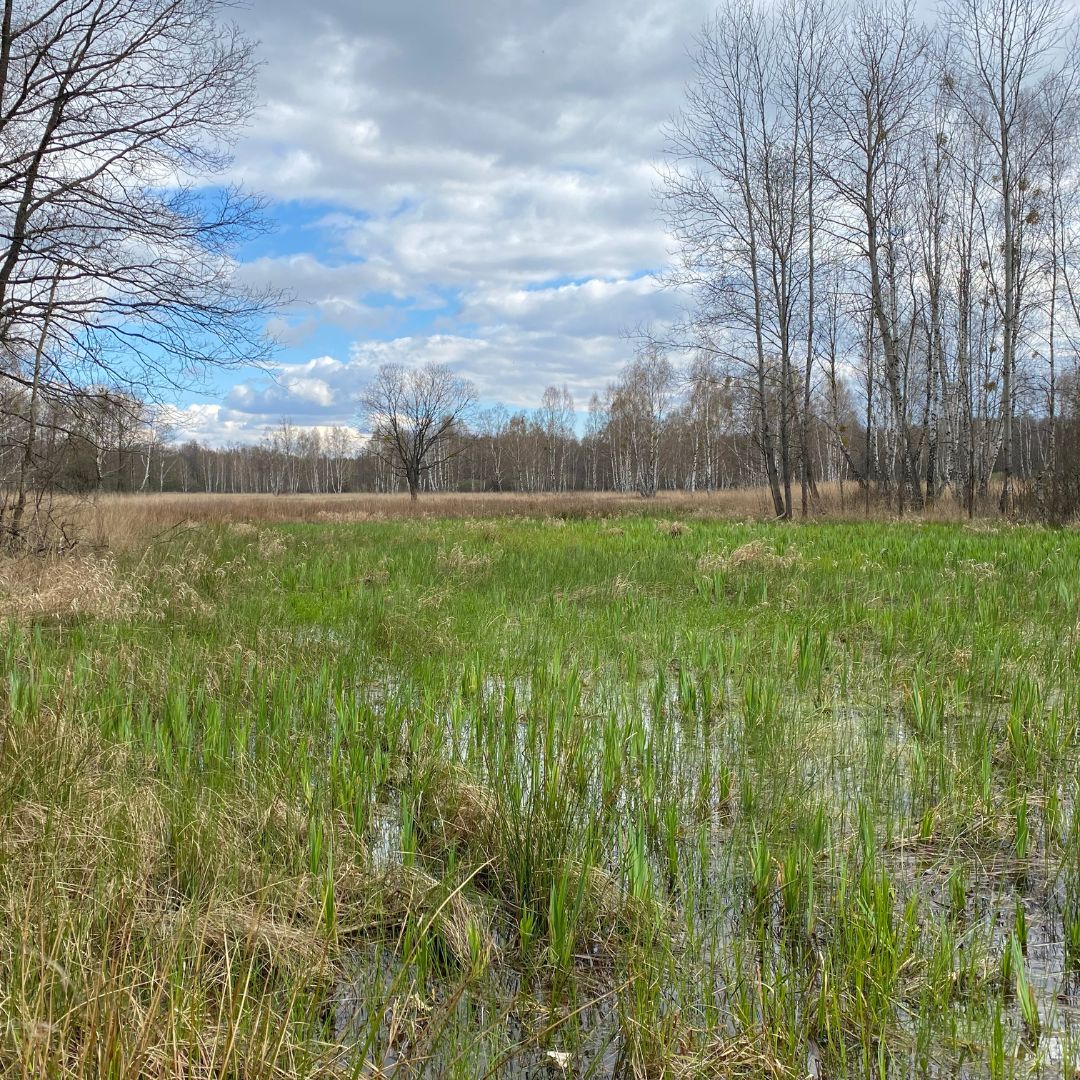
The listed reserves are quite a treat for nature enthusiasts – they are a concentration of rare plants, endangered animals and are located in areas of great ecosystems. Perhaps, when planning your next vacation trips, you should think about a sightseeing trip to the vicinity of any of the mentioned reserves – it will certainly be an unforgettable experience that can restore harmony and peace of mind.

The International Man and Biosphere (MAB) Program was launched by UNESCO in 1971. The goal of the program is to create a sustainable relationship between people and the biosphere. In turn, the method of achieving this goal is the creation of an international Network of Biosphere Reserves. It currently brings together 714 such sites in 129 countries, 21 of which are transboundary reserves.

The post is part of a series on natural heritage entitled „How to Live? – Naturally!”, which was created to draw attention to the need to protect the Earth’s natural heritage.

Source:

https://www.unesco.pl/nauka/czlowiek-i-biosfera-mab/polskie-rezerwaty-mab/

#naturalheritage #worldheritage #ExpertsUW #unesco #natural

Tagi:expertsUWheritagelearningnature

Aktualności

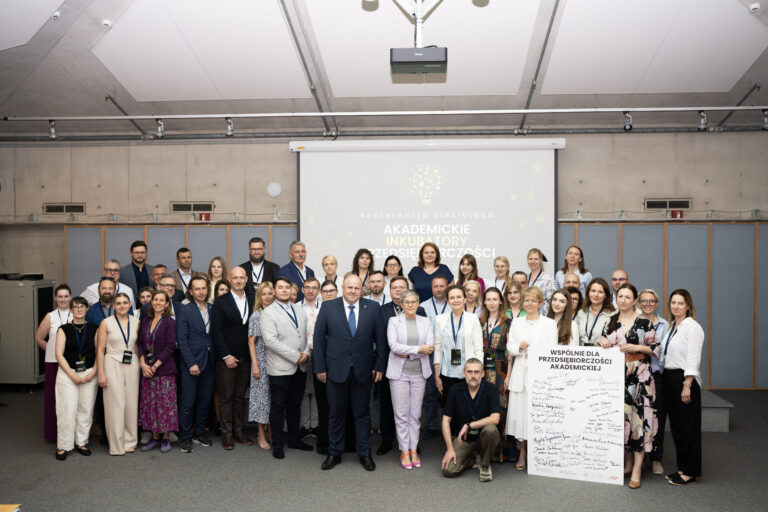
Podsumowanie I Ogólnopolskiej Konferencji Sieciującej Akademickie Inkubatory Przedsiębiorczości

Blisko 70 uczestników reprezentujących ponad 50 ośrodków akademickich z całego kraju. Dwa dni rozmów o rozwoju, inspirujących dyskusji i wymiany…

#UWagaNauka – 19 maja 2026

Okrągła, piąta edycja będzie przestrzenią wymiany doświadczeń i prezentacji praktyk, które wspierają rzetelną i atrakcyjną…

IV Targi Kół Naukowych UW za nami!

Po raz kolejny wraz z Samorządem Studentów Uniwersytetu Warszawskiego oraz Radą Organizacji Naukowych, Społecznych i…

Inauguracja 6. edycji programu Mentoring UW za nami!

Wczoraj w Muzeum Uniwersytetu Warszawskiego odbyła się uroczysta inauguracja 6. edycji programu Mentoring UW, realizowanego…

Zobacz również

Podsumowanie I Ogólnopolskiej Konferencji Sieciującej Akademickie Inkubatory Przedsiębiorczości

Nabór na granty „Nauka Sprawdza” – zdobądź 20 tysięcy!

#UWagaNauka – 19 maja 2026

IV Targi Kół Naukowych UW

IV Targi Kół Naukowych UW za nami!

Facebook Youtube Instagram Linkedin

Powiązane strony

  • Uniwersytet Warszawski
  • Serwis Naukowy UW
  • Nauka Sprawdza
  • TEDx University of Warsaw
  • Inicjatywa Akademicka Warszawa

Nasze projekty

  • Tydzień Noblowski UW
  • Nauka Sprawdza
  • #UWagaNauka
  • KOKON UW
  • TEDx UW
  • BraveCamp
  • Mentoring UW

CWiD

  • O nas
  • Kontakt
  • Nasi partnerzy
  • Zamówienia publiczne
  • Praca
  • Deklaracja dostępności
  • Mapa strony
Welcome Back!

Sign in to your account

Nazwa użytkownika lub adres e-mail
Hasło

Nie pamiętasz hasła?

Centrum Współpracy i Dialogu UW

Zarządzaj zgodą

Aby zapewnić jak najlepsze wrażenia, korzystamy z technologii, takich jak pliki cookie, do przechowywania i/lub uzyskiwania dostępu do informacji o urządzeniu. Zgoda na te technologie pozwoli nam przetwarzać dane, takie jak zachowanie podczas przeglądania lub unikalne identyfikatory na tej stronie. Brak wyrażenia zgody lub wycofanie zgody może niekorzystnie wpłynąć na niektóre cechy i funkcje.

Funkcjonalne Zawsze aktywne

Wymagane do prawidłowego działania strony, bezpieczeństwa oraz zapamiętania Twojej decyzji.

Statystyka

Pomagają mierzyć oglądalność i jakość strony.

Marketing

Pozwalają mierzyć kampanie i personalizować reklamy.